
Gardens for Wildlife is a free program designed to support local residents to create inviting and supportive habitat for local wildlife, within their gardens.
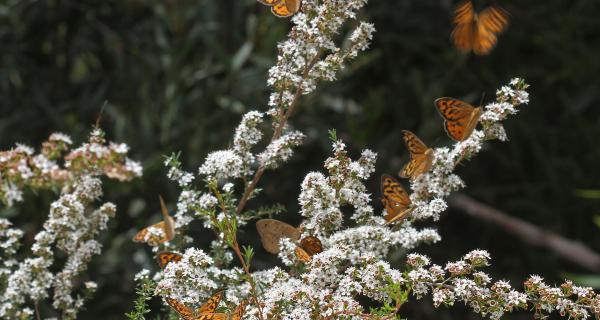
By incorporating indigenous plants, your garden can become a wildlife haven, providing valuable habitat for birds, butterflies, lizards, insects and much more. Engaging in the Gardens for Wildlife program can help foster a sense of stewardship and strengthen connections to community and nature.
*Due to high demand, current wait times for garden visits may be up to 5 months. Please check out the useful links below or visit our local indigenous nurseries Greenlink or Bungalook in the meantime.
Wildlife Friendly Gardens
Make your garden wildlife-friendly with a simple combination of plants and habitat features. Even adding just a few of these elements can make a big difference:
- Layered planting (mix of trees, shrubs and groundcovers) to increase habitat diversity
- A locally indigenous tree to provide shade, food and habitat
- Dense shrubs to provide shelter for small birds
- Flowering native plants to provide nectar and pollen
- Native grasses and sedges to support birds, caterpillars and skinks
- A shallow dish of water for drinking and bathing
- A frog-friendly pond or bog with clean water
- Rocks or logs in a sunny corner for lizards and butterflies to bask
- Natural mulch or leaf litter to support insects and other soil organisms
What Happens at a Garden Visit?
Two of our Garden Guides will visit your garden at an agreed time and discuss with you about habitat values and opportunities in the garden. After the visit the guides will prepare a written report that provides an assessment, suggests actions and offers advice.
You will also receive a voucher for 20 free plants from one of our indigenous nurseries, our newsletter subscription and ongoing garden and local wildlife information – all free!
Our Volunteers
The Garden Guides who visit the gardens are made up of a team of volunteers and council officers who each have a passion for the conservation of our indigenous plants and animals. Register your interest to become a volunteer. We will contact you before the next uptake.
Feedback from participants about the volunteers is very positive:
"They were so helpful in answering any questions, and the follow up report online was excellent and thorough, and practical for my needs. They showed enthusiasm for my garden which was nice!"
"Friendly, supportive. Really lovely and so knowledgeable. I felt much more confident about my plans as a result of their visit."
"Extremely knowledge and friendly, and they provided valuable and informative advice and suggestions. Their suggestions for garden bed improvements provided motivation and inspiration to start the projects."
Our Small Birds Project
In 2022 our volunteers focused on improving the connectivity for small birds between Blackburn Lake and the Blackburn Creeklands. We were particularly keen to help gardeners create better habitat for small birds because so many participants report their absence.
In 2023, we hosted an intern, Zac from Deakin University who prepared a report on our small birds project ( PDF 2.18MB). ( PDF 2.18MB)
There are a lot of small birds in the Blackburn Lake Sanctuary, if we can improve habitat on private land we should be able to expand their range. With the establishment of more mistletoe plants into private gardens ( PDF 992.57KB), we can better support bird and insect diversity.
Our Partnership
Gardens for Wildlife Whitehorse was established with support from Bungalook Nursery, Greenlink Nursery, the Whitehorse Parkland Advisory Committees, the Blackburn and District Tree Preservation Society and Whitehorse City Council.
Whitehorse City Council would like to acknowledge Knox City Council and the Knox Environment Society for their assistance in introducing and operating The Gardens for Wildlife Program.
Whitehorse City Council would like to acknowledge the Wurundjeri Woi Wurrung people of the Kulin nation, Traditional Custodians of this Land, and pay respect to their Elders past, present and emerging.