
Citizen Science
Citizen science is when everyday people take part in real scientific research. By recording plants and animals, monitoring waterways, counting birds, or collecting environmental data, community members help scientists and local councils better understand and protect our environment.
You don’t need any special qualifications or equipment to get involved. Whether you’re snapping photos on your phone during a walk, joining a local survey event, or contributing observations from your backyard, your participation helps build valuable knowledge about local biodiversity and environmental health.
Citizen science is a great way to:
- Learn more about your local environment
- Spend time outdoors and connect with nature
- Contribute to meaningful research and conservation
- Get involved in your community
How to Get Involved (Beginners Welcome!)
Getting started with citizen science is easy and flexible — you can participate as little or as often as you like.
1. Choose a project that interests you
There are many types of projects, including wildlife spotting, bird counts, waterway monitoring, and environmental surveys. Some run year-round, while others are seasonal or one-off events.
2. Use simple tools
Many projects use free apps or websites to record what you see. You can take photos with your phone and upload them to help identify plants, animals, or fungi.
3. Join a local event or activity
Councils and community groups often host guided surveys or “bioblitz” events where experts help you learn what to look for. These are great for beginners.
4. Learn as you go
You don’t need to be an expert. Most platforms provide identification help, guides, and tips. Over time, you’ll build your skills and confidence naturally.
5. Get involved safely
Stick to paths where possible, respect wildlife and habitats, and only record what you can observe without disturbing the environment.
Ready to Start?
A simple way to begin is by joining a platform like iNaturalist, which lets you record wildlife sightings from anywhere, anytime. Many local and national projects use this platform, so your observations can contribute to multiple research efforts at once.
You can also explore current projects through the Australian Citizen Science Association's Project Finder, which lists opportunities across Victoria and Australia.

Citizen Science Opportunities in Whitehorse
City Nature Challenge
Runs annually in the last weekend of April.
24 - 28 April 2026
Uses the iNaturalist app
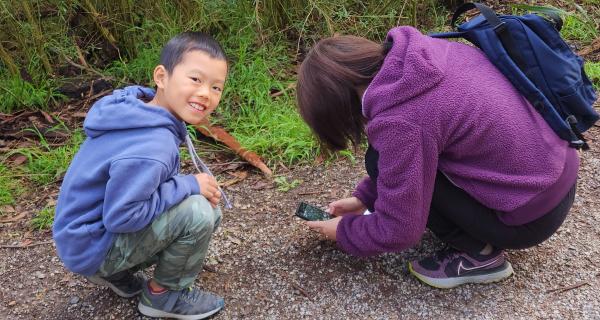
Biodiversity Blitz
Runs annually in September.
Uses the iNaturalist app
Great Southern BioBlitz
Runs in Spring each year, swaps between last weekend in September, October and November.
27 - 30 November 2026
Uses the iNaturalist app
Aussie Bird Count
Runs annually in the second last week of October.
19 - 25 October in 2026
Uses the Aussie Bird Count app